

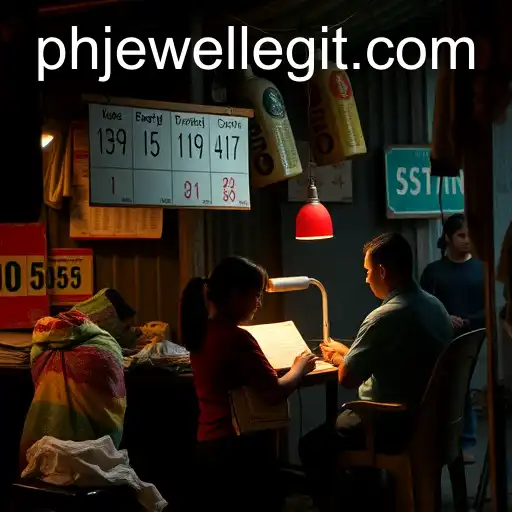

Jueteng, a well-known but illicit numbers game, weaves itself into the fabric of Philippine society. This traditional game of chance has persisted despite numerous efforts by law enforcement to eradicate it. While jueteng is formally illegal, it flourishes beneath the legal system, entwining itself with aspects of society through legal ambiguity, cultural acceptance, and economic necessity.
The origins of jueteng can be traced back to the Spanish colonial era. It evolved as a grassroots response to government-sponsored lotteries and has since embedded itself in the daily lives of many Filipinos. Typically, jueteng uses a simple betting mechanism involving two numbers ranging from 1 to 37. Players place wagers on their chosen numbers, usually inspired by personal beliefs, dreams, or events they consider lucky. These numbers are drawn twice daily, creating a frequent cycle of hope and disappointment for bettors.
Jueteng operates within and beyond the fringes of the economy, often perceived as a subsistence strategy among low-income communities. Despite being illegal, it functions similarly to legitimate financial services, providing a source of income for both bettors and operators. Collectors, also known as cobradores, traverse communities, gathering bets and offering modest financial liquidity to participants, akin to microfinancing schemes.
Additionally, the economic incentive for local officials to turn a blind eye contributes to jueteng's endurance. The illicit nature of jueteng generates a revenue stream through under-the-table payments, enabling corruption to seep into local governance. This monetary pipeline to officials complicates law enforcement efforts, encouraging a cycle of tolerance and complicity.
For many Filipinos, jueteng is more than just gambling; it is cultural symbology deeply rooted in tradition and beliefs. In regions fiercely loyal to their customs, jueteng is a social equalizer, providing common grounds across varying socioeconomic divides. It represents an informal social system; families and neighbors bond over shared hopes of winning and mutual networks of bettors.
The game's vernacular lexicon adds to its intrigue, employing a symbolic ‘dream book’ or ‘libro ng panaginip’ which associates digits with dreams and occurrences. This personalization of luck streaks resonates with players, offering an unpredictable yet familiar allure that other forms of gambling lack.
The politics intertwined with jueteng form an intricate conspiracy between various stakeholders. Local politicians may rely on jueteng's discreet revenues to fund campaigns or sustain influence over their constituencies. Furthermore, rumors of national politicians benefitting from jueteng's proceeds fuel speculation about the breadth of its reach within the government apparatus.
The pursuit of political control intertwines with the distribution networks of jueteng, creating power structures resilient to dismantling efforts. This relationship extends to law enforcement itself, where corruption allegations often emerge regarding officers paid to protect jueteng operations.
Efforts to combat jueteng are riddled with complexities. Despite being illegal under the country's gambling laws, enforcement remains inconsistent and largely ineffective. Campaigns against jueteng face an uphill battle, needing to dismantle an enterprise steeped in secrecy and protected by powerful allies.
Reform efforts have focused on legitimizing forms of gambling through nationally sanctioned lotteries. Yet, entrenched cultural sentiments and economic benefits of jueteng cannot easily be replaced. Thus, government-sanctioned alternatives lack the personal connection and community involvement that jueteng brings to its patrons.
The deeply ingrained nature of jueteng in Philippine society presents both sociocultural and economic ramifications. It offers a window into understanding broader issues of poverty, economic disparity, cultural traditions, and the systemic challenges facing the archipelago’s governance. As individuals continue to grapple for economic improvements in a challenging socio-political landscape, jueteng persists as both a symptom and a contributor to these enduring challenges.
In conclusion, jueteng is emblematic of the complexities encompassing illegal gambling, cultural tradition, and economic necessity. Its persistent cycle reflects a society navigating the crossroads of legality and survival, history and change, making it a compelling study of the interplay between adherence to the rule of law and cultural resilience.

Dive into the world of TigersGrace, a captivating game blending strategy and adventure. Explore its gameplay, intricate rules, and unique features influenced by current gaming trends.

Discover the vibrant world of DiamondExplosionPatriots, an exhilarating blend of strategy, skill, and patriotism that has captivated gamers worldwide.

Dive into the volcanic excitement with HotVolcanoBonusBuy, a thrilling game that combines immersive gameplay with strategic choices, influenced by the fascinating concept of Phjewel.

Dive into the captivating universe of JManiaManiac, the thrilling game sweeping the charts. Uncover its gameplay, rules, and the unique allure of the phjewel.

Dive into the captivating world of Legacy of Egypt, a game that brings the mysteries of ancient civilizations to life.

Dive into the rhythmic adventure of DiscoNightM, a captivating game that blends disco vibes with jewel-inspired challenges.
